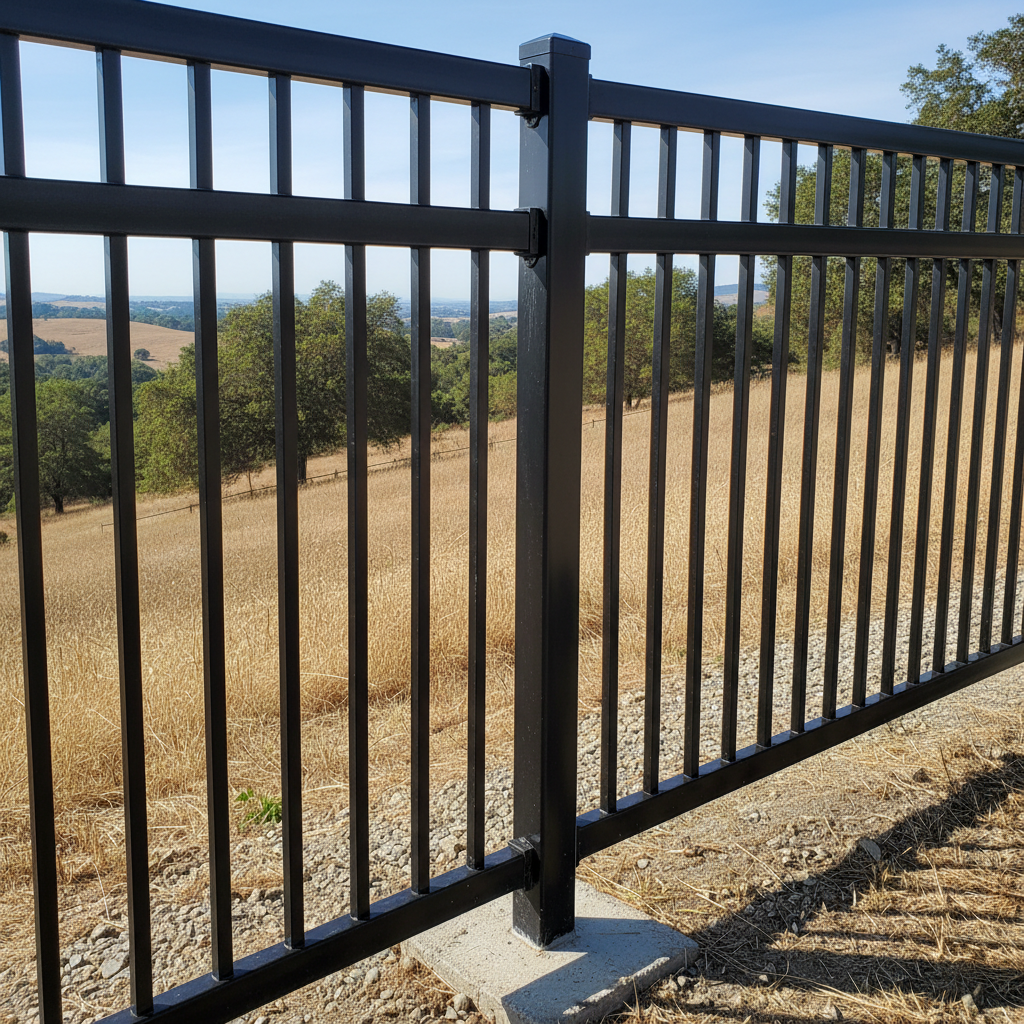
Thinking About a DIY Aluminum Fence?
So, you're looking at an aluminum fence for your Vallejo home. Good choice. They're low maintenance, look sharp, and hold up great, especially with our Bay Area weather – no rust worries like you might get with some other metals near the water. But can you really install one yourself? That's a question I get a lot, and the answer isn't always a simple yes or no.
I've seen plenty of homeowners try their hand at fence installation, and some do a fantastic job. Others… well, let's just say they end up calling Alpha Fencing Vallejo to fix things up. The key is knowing what you're getting into before you start digging.
Before You Even Buy a Panel
First things first, you need to understand your property lines. Don't guess. Pull your survey, or if you don't have one, consider getting a surveyor out there. The last thing you want is to put up a beautiful new fence only to find out it's on your neighbor's land. That's a headache nobody needs.
Next, call 811. Seriously, do it. It's free, and they'll mark out any underground utilities – gas, water, electric, communication lines. Hitting a gas line with a post-hole digger isn't just expensive; it's dangerous. This step is non-negotiable for any digging project.
Check with Vallejo's planning department. There are often rules about fence height, setbacks from property lines, and even material types, especially if you're in a historic district or a planned community like some parts of Hiddenbrooke. You might need a permit, and trust me, it's easier to get one upfront than to deal with fines or having to tear down your work later.
Finally, think about your terrain. Is your yard flat as a pancake, or do you have slopes and hills? Aluminum fences come in sections, and while many are designed to 'rack' (adjust to slopes), there are limits. If you've got a seriously uneven yard, like some of the older homes on the hills near Mare Island, you might need special panels or more advanced techniques, which can quickly push a DIY project into pro territory.
The Installation Process: DIY vs. Pro
Okay, you've done your homework. Now for the actual work. Here's what you're looking at:
- Layout and Marking: This is crucial. You need to lay out your fence line accurately, marking where each post will go. Any mistakes here will compound as you go, leading to crooked lines or gaps. A string line and some spray paint are your friends.
- Digging Post Holes: For aluminum fences, posts typically go 24-36 inches deep, depending on the fence height and soil conditions. Here in Vallejo, we've got a mix of soil types, from sandy loam to heavier clay. A manual post-hole digger is fine for a few holes, but for a whole yard, you'll want to rent a power auger. Just be ready; those things can be a workout.
- Setting Posts: Posts need to be perfectly plumb (straight up and down) and at the correct height. This is where many DIYers get tripped up. You'll use concrete to secure them. Don't rush this. Use a level on at least two sides of the post, and brace them firmly until the concrete sets.
- Attaching Panels: Once your posts are set and cured (give the concrete at least 24-48 hours), you attach the fence panels. This usually involves brackets and screws. It sounds simple, but getting everything aligned, level, and securely fastened across multiple panels takes patience and precision.
- Gates: Installing gates is probably the trickiest part for a DIYer. They need to be perfectly plumb and level to swing freely and latch correctly. If your gate sags or binds, it's a constant annoyance.
For a small, straightforward section of fence on flat ground, a handy homeowner can absolutely tackle this. You'll need basic tools, a good level, and plenty of patience. But if you're talking about a long run, multiple gates, significant slopes, or complex corners, it gets complicated fast. The cost of renting specialized tools, buying extra materials because of mistakes, and the sheer amount of time can quickly make a DIY project less appealing.
After the Install: What to Expect
Once your fence is up, aluminum is pretty much set-it-and-forget-it. A quick rinse with a hose now and then will keep it looking good. You won't have to paint it, stain it, or worry about rot. That's one of the big benefits.
If you've done it yourself, take a walk around. Check all the connections, make sure gates swing smoothly, and look for any weak spots. If anything feels off, it's best to address it sooner rather than later.
Look, I'm all for homeowners tackling projects they're comfortable with. But I've also seen the frustration and extra expense when a DIY job goes sideways. If you're feeling overwhelmed at any point, or if the scope of work seems bigger than you initially thought, don't hesitate to call a professional. At Alpha Fencing Vallejo, we're here to help, whether it's for the whole job or just to offer some advice. Sometimes, the peace of mind knowing it's done right is worth every penny.