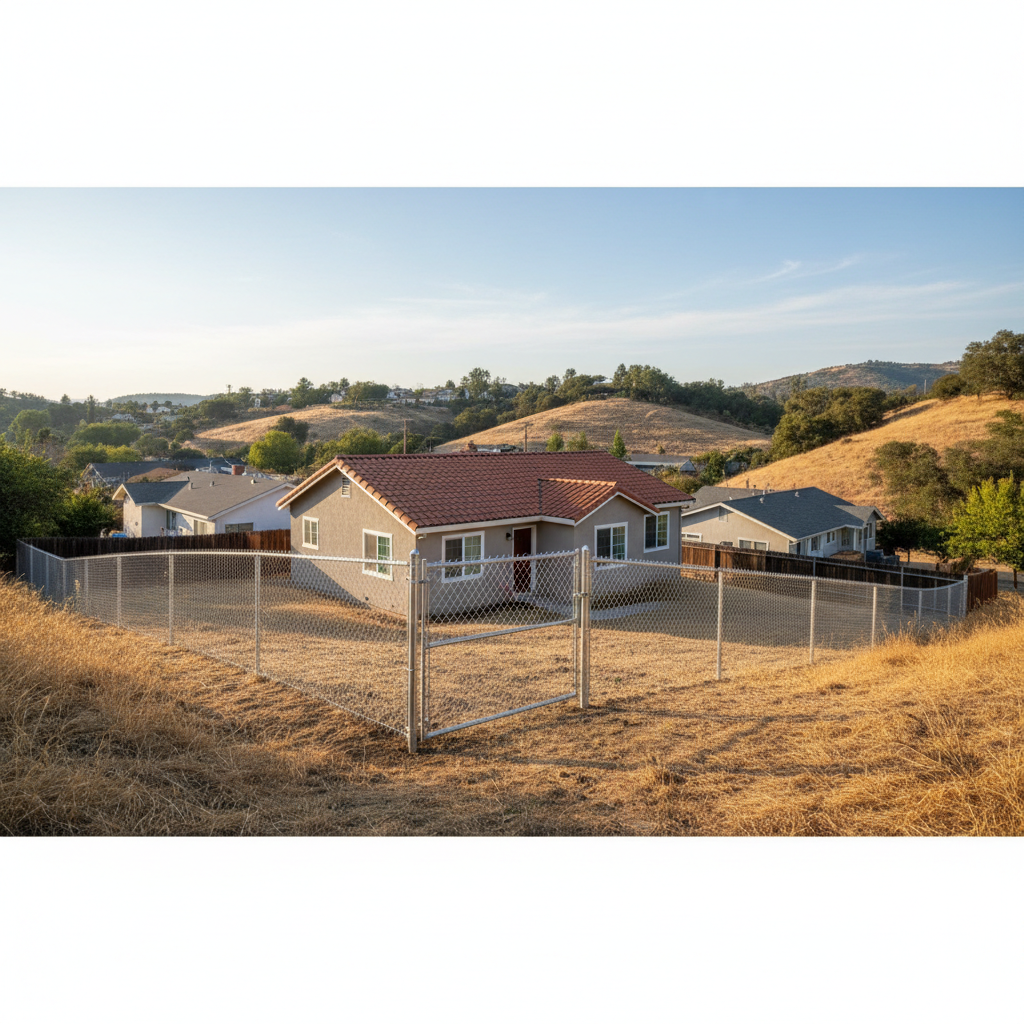
You might think putting up a chain link fence is pretty simple, right? Just dig some holes, set some posts, stretch some wire. And honestly, at its core, that’s exactly what it is. But here in Vallejo, especially if you want that fence to actually hold up against our weather, our soil, and whatever you’re trying to keep in or out, there’s a bit more to it. I’ve seen plenty of fences, good ones and bad ones, and I can tell you the real difference usually comes down to understanding the local conditions.
Why Vallejo's Ground Matters for Your Fence
First off, let’s talk about the dirt we’re dealing with around here. We’ve got everything from that old, hard-packed clay in some of the older parts of town, like over by St. Vincent’s Hill, to looser, sandier loam closer to the waterfront. And don't forget the fill dirt you find in newer developments. Each of these soil types demands a different approach when you’re digging post holes and pouring concrete.
If you just drop a post into loose soil without enough concrete, or without packing it down right, that fence won’t stay straight for long. A good gust of wind, or even just someone leaning on it, and it’ll start to sag. On the flip side, trying to dig through that dense, rocky clay without the proper tools is a nightmare. And if your post depth isn't right, you're just asking for trouble later on. We also have areas with high water tables, especially near the sloughs and the Carquinez Strait. That means you need to think about drainage and how moisture might affect your post footings over time. It’s not just about digging a hole; it’s about really understanding what that hole is going into and what it’ll face.
Common Chain Link Projects We See
So, who’s typically getting chain link around here? It’s quite varied, actually.
- Residential Backyards: A lot of folks want to keep their pets contained, especially dogs, without spending a fortune. Chain link is perfect for that. It’s tough, lets light through, and you can easily see what’s happening. We do a lot of these for people in the Glen Cove area who want to give their dogs space to run without worrying about them getting out.
- Commercial Properties: Businesses often need to secure their perimeter, protect equipment, or clearly mark property lines. Storage yards, auto shops, construction sites – chain link is the standard choice for security that’s durable and pretty quick to put up.
- Schools and Parks: You see it everywhere in public spaces. It works great for ball fields, playgrounds, and keeping kids safe within designated areas.
- Temporary Fencing: While we’re mostly talking about permanent installations, it's worth mentioning that chain link is also super popular for temporary construction site security.
The needs for each of these are different. A dog run needs a certain gauge wire and height, maybe some bottom wire to stop digging. A commercial property might need heavier gauge wire, barbed wire, or specific gate setups. You just can’t use a one-size-fits-all approach.
Why Local Expertise Isn't Just a Buzzword
This is where knowing the local scene really pays off. I’m not just talking about knowing the difference between a post and a rail, mind you. I’m talking about knowing the specific building codes for Vallejo. Are you in a flood zone? What are the setback requirements for fences in your particular zoning district? What permits do you need for a certain height or type of fence? These aren’t things you learn from a YouTube video.
We also know the local suppliers. We know who has the good quality materials and who’s cutting corners. That means you get a better product without paying extra for shipping from across the state. Plus, when you work with someone local, you’re not just a number on a spreadsheet. You’re a neighbor. We’re going to be around if you have an issue or need a repair later on. That kind of accountability is tough to find with an out-of-town crew.
When Alpha Fencing Vallejo installs a chain link fence, we’re not just putting up a barrier. We’re building something that’s meant to last, designed for the specific conditions of your property, and installed with the kind of care you only get from people who live and work right here in Vallejo. Don’t settle for generic advice or a crew that doesn’t know the difference between our local clay and topsoil. Get it done right the first time.