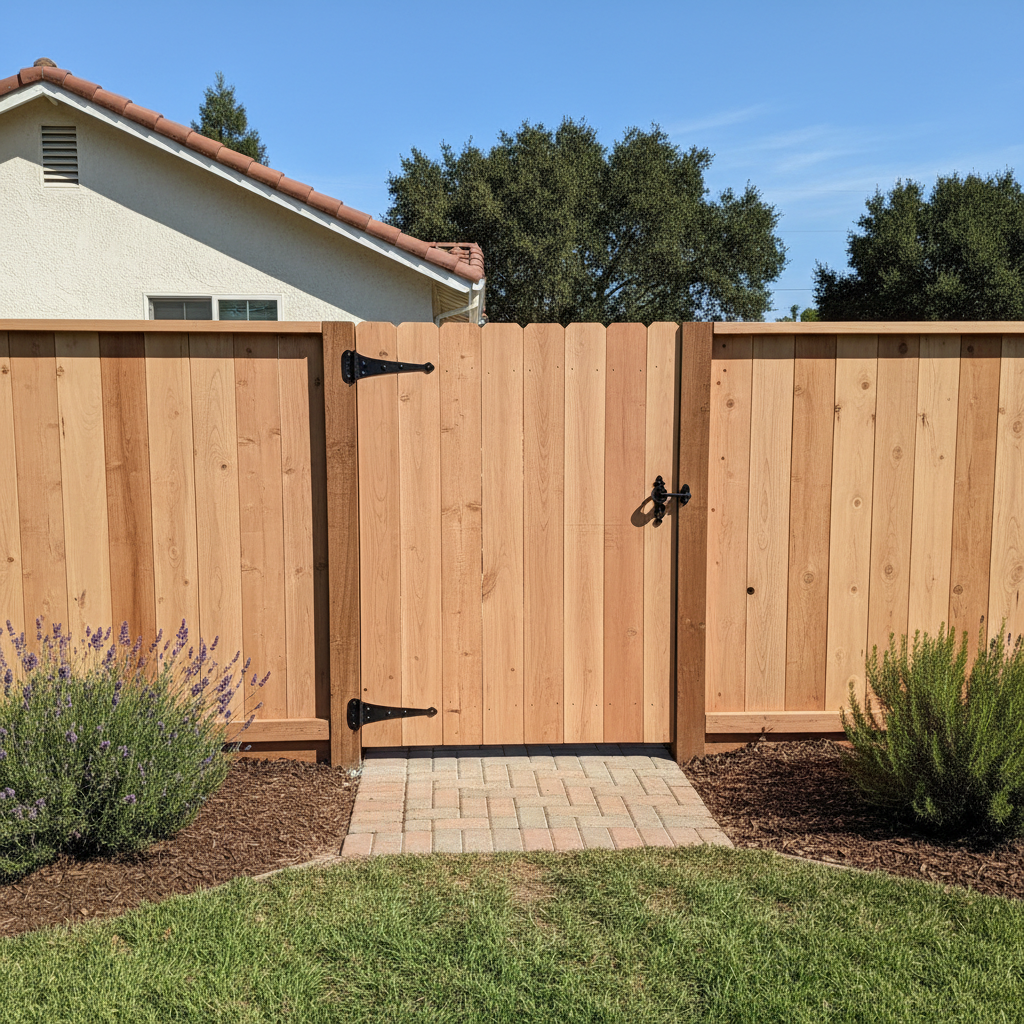
You've got a gate, right? Whether it's for your driveway, your side yard, or your main pedestrian entrance, it's a critical part of your fence system. It gets more wear and tear than any other section, opening and closing constantly. So, you can't just install it and forget it. That's a recipe for trouble down the line.
Extend Your Gate's Life: It's Easier Than You Think
Look, a good gate, properly installed, is built to last. But 'built to last' doesn't mean 'maintenance-free.' Think of it like your car; you wouldn't just drive it without ever changing the oil, would you? Same goes for your gate. A little proactive care goes a long way in extending its functional life and keeping it looking sharp.
For us here in Vallejo, we get a mix of everything. We've got those hot, dry summers that can bake wood and dry out lubricants. Then we get the damp, foggy mornings, especially closer to the Bay, which can really speed up rust on metal components if they're not protected. So, whatever your gate is made of – wood, iron, aluminum, chain link – it's battling the elements constantly.
What Regular Maintenance Looks Like
This isn't rocket science, folks. Most of what you need to do, you can handle yourself in an hour or two, just a couple of times a year. Here's what I tell my clients:
- Lubricate Moving Parts: This is huge. Hinges, rollers, latches, gate openers – they all need some grease. Use a silicone-based spray for metal-on-metal parts. For rollers on sliding gates, a good quality grease can work wonders. Do this every six months, maybe more often if your gate gets heavy use or if it's exposed to a lot of dust or salt air, like some of the properties down by the Carquinez Strait.
- Clean It Up: Dirt, grime, leaves, spiderwebs – they all build up. A simple wash with soap and water can prevent corrosion and keep things looking good. For wood gates, cleaning off mildew or algae is important before it starts to rot the wood.
- Check Fasteners: Screws, bolts, nuts – they can loosen over time with all that movement. Grab a wrench and a screwdriver and just give everything a snug-up. Don't overtighten, but make sure nothing's wobbly.
- Inspect for Damage: Walk the fence line, really look at the gate. Are there cracks in the wood? Rust spots on metal? Dents or bends? Catching these early can save you a much bigger repair bill later.
- Clear the Path: For sliding gates, make sure the track is clear of debris. Leaves, small rocks, even kids' toys can jam up the rollers and cause serious damage to the motor or the gate itself.
Seriously, a little attention twice a year is all it takes to keep things running smooth.
Warning Signs You Shouldn't Ignore
Your gate will tell you when it's unhappy. You just gotta listen. Here are some red flags:
- Squeaks and Grinds: This is the most obvious. It means metal-on-metal friction, and it's usually a lubrication issue. If you hear it, don't put it off.
- Sagging or Dragging: If your gate is hitting the ground, dragging on the pavement, or looks like it's leaning, you've got a problem. This could be loose hinges, a failing post, or even a structural issue with the gate frame itself.
- Difficulty Opening/Closing: If you're fighting with it, something's wrong. It could be alignment, a bent frame, or a problem with the latch mechanism.
- Rust or Rot: Visible rust on metal components means the protective coating is gone. For wood, soft spots or discoloration are signs of rot. These need to be addressed before they compromise the gate's integrity.
- Loose Latch or Lock: If your gate isn't securing properly, it's not doing its job. This is a security risk and needs immediate attention.
When to Call a Professional
While a lot of maintenance is DIY-friendly, there are times you absolutely need to call in the pros. Don't try to be a hero and make things worse. You'll end up costing yourself more in the long run.
- Major Structural Damage: If a post is rotted through, a hinge is completely broken, or the gate frame is bent beyond simple adjustment, you need expert help. Trying to rig it yourself can be dangerous and ineffective.
- Automatic Gate Opener Issues: These systems are complex. If your opener isn't working, making strange noises, or the safety features aren't functioning, call us. Messing with electrical components or the motor without proper training can be risky.
- Persistent Sagging or Alignment Problems: If you've tightened everything and it's still sagging, or if you can't get the gate to align properly, there might be an underlying issue with the installation or the ground itself. Sometimes, especially in areas like the hills above Springs Road, soil movement can affect fence posts over time.
- Security Concerns: If your gate isn't providing the security it should, and you can't easily fix it, get a professional out there. Your property's safety is worth it.
Here at Alpha Fencing Vallejo, we've seen it all. We can diagnose problems quickly and get your gate back in top shape. Don't wait until your gate completely fails and leaves your property exposed or becomes a hazard. A little maintenance and knowing when to call for help will keep your gate strong and reliable for years to come.