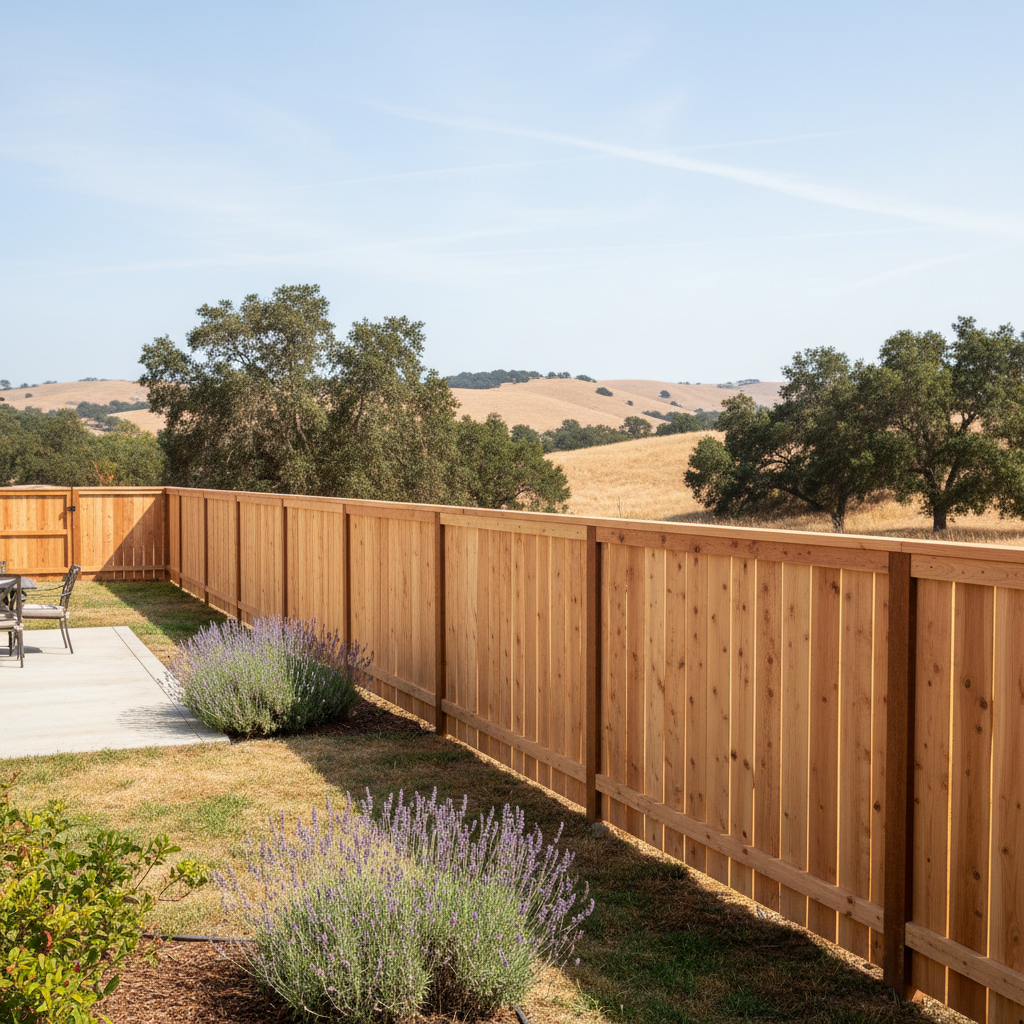
When's the best time to put up a new wood fence in Vallejo? That's a question I hear all the time, and it's a really good one. You might think any time works, but our specific climate here in the Bay Area – especially with those summer breezes and winter rains – truly dictates when you should schedule your project and what you need to do to protect your investment.
Best Time to Install Your Wood Fence
Honestly, the sweet spot for wood fence installation around Vallejo is usually late spring through early fall. Think April, May, June, and even into September and October. Why then? There are a few reasons.
- Drier Weather: Wood and too much moisture just don't mix well during installation. When we're digging post holes, the soil needs to be workable, not waterlogged. Trying to set posts in muddy, saturated ground can lead to instability once things dry out. Plus, nobody wants to work in a downpour, and it's just not ideal for the materials, is it?
- Moderate Temperatures: Really hot weather can make wood expand and contract fast, and it's tough on the crew. Really cold weather makes the ground hard as a rock, slowing down digging and making it harder to get a good, solid foundation for your posts. Our spring and fall give us those "just right" conditions – not too hot, not too cold.
- Curing Time: If we're using concrete to set your posts, it needs time to cure properly. Drier, more moderate weather lets the concrete set up strong without being rushed or washed out by rain.
Now, can we install a fence in winter? Sure, we can. But we're often fighting the weather, and it might mean delays or less-than-ideal conditions for the crew. If you're in a real hurry, we can make it work, but if you have the flexibility, definitely aim for those sunnier, drier months.
How Vallejo Weather Impacts Your Wood Fence
Our local climate isn't just about when we install; it's about the long-term health of your fence. We get a good amount of sun, especially in the summer, and then those wet, foggy winters. This cycle of wet and dry, hot and cool, really takes a toll on wood.
- Sun Exposure: The sun's UV rays will fade and break down the wood fibers over time. This leads to that gray, weathered look. It also dries out the wood, making it more likely to crack and warp.
- Rain and Fog: Moisture is wood's biggest enemy. Constant dampness can lead to rot, mold, and mildew. This is especially true for the bottom of fence pickets and posts that are in contact with the ground. If you're in an older part of Vallejo with some of that heavy clay soil, drainage can be an issue, keeping the base of your fence wetter for longer periods.
- Temperature Swings: Wood naturally expands and contracts with changes in temperature and humidity. Over years, this movement can loosen fasteners, cause boards to cup or warp, and create stress points.
Protecting Your Investment Year-Round
So, you've got your beautiful new wood fence. How do you keep it looking good and standing strong for years? It's all about maintenance, and it's not as hard as you might think.
- Staining and Sealing: This is your first line of defense. A good quality stain and sealant will protect the wood from UV damage and moisture. I usually recommend doing this within a few months of installation, once the wood has had a chance to acclimate, and then re-applying every 2-5 years depending on the product and how much sun it gets. Don't skip this step; it's crucial for longevity.
- Regular Cleaning: A simple wash with a hose and a soft brush can do wonders. If you see mold or mildew starting, you can use a mild bleach solution (1 part bleach to 3 parts water) or a commercial fence cleaner. Just make sure to rinse thoroughly.
- Check for Damage: Walk your fence line a couple of times a year. Look for loose boards, popped nails, or signs of rot, especially near the ground. Catching small issues early can prevent them from becoming big, expensive problems.
- Trim Vegetation: Keep bushes, vines, and trees away from your fence. They can trap moisture against the wood, leading to rot, and their roots can even damage the fence foundation.
- Good Drainage: Make sure water isn't pooling around the base of your fence posts. If you have heavy clay soil, consider adding some gravel around the post bases to improve drainage.
At Alpha Fencing Vallejo, we build fences to last, but even the best-built fence needs a little love from you. By understanding our local weather and doing some basic maintenance, you'll get decades of enjoyment out of your wood fence. If you ever have questions or need a hand with repairs or maintenance, you know who to call.